A well-applied label should remain smooth, firmly bonded, and visually consistent throughout the product’s lifecycle. When labels wrinkle, lift at the edges, or peel off completely, the issue is rarely caused by a single factor. It is often the result of improper machine settings, unsuitable label materials, incorrect adhesive selection, or product surface conditions.
Understanding the root cause helps improve labeling quality, reduce product rejects, and minimize production downtime.
Incorrect Labeling Speed
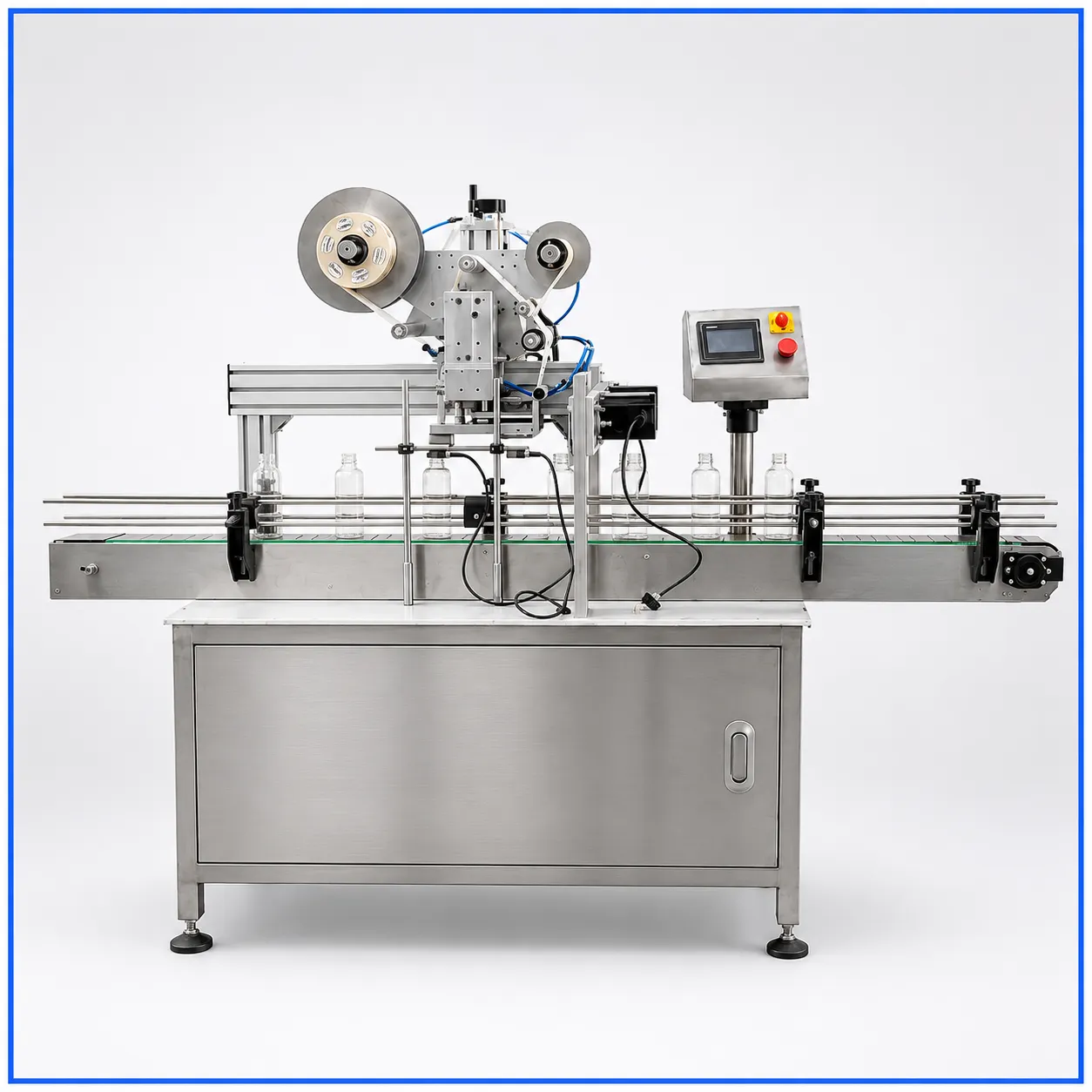
Running the labeling machine faster than recommended can affect label placement and adhesion. Excessive speed may prevent the label from being applied smoothly, resulting in wrinkles, air pockets, or edge lifting.
The labeling speed should always be matched with conveyor speed and product spacing to ensure consistent application.
Improper Label Dispensing
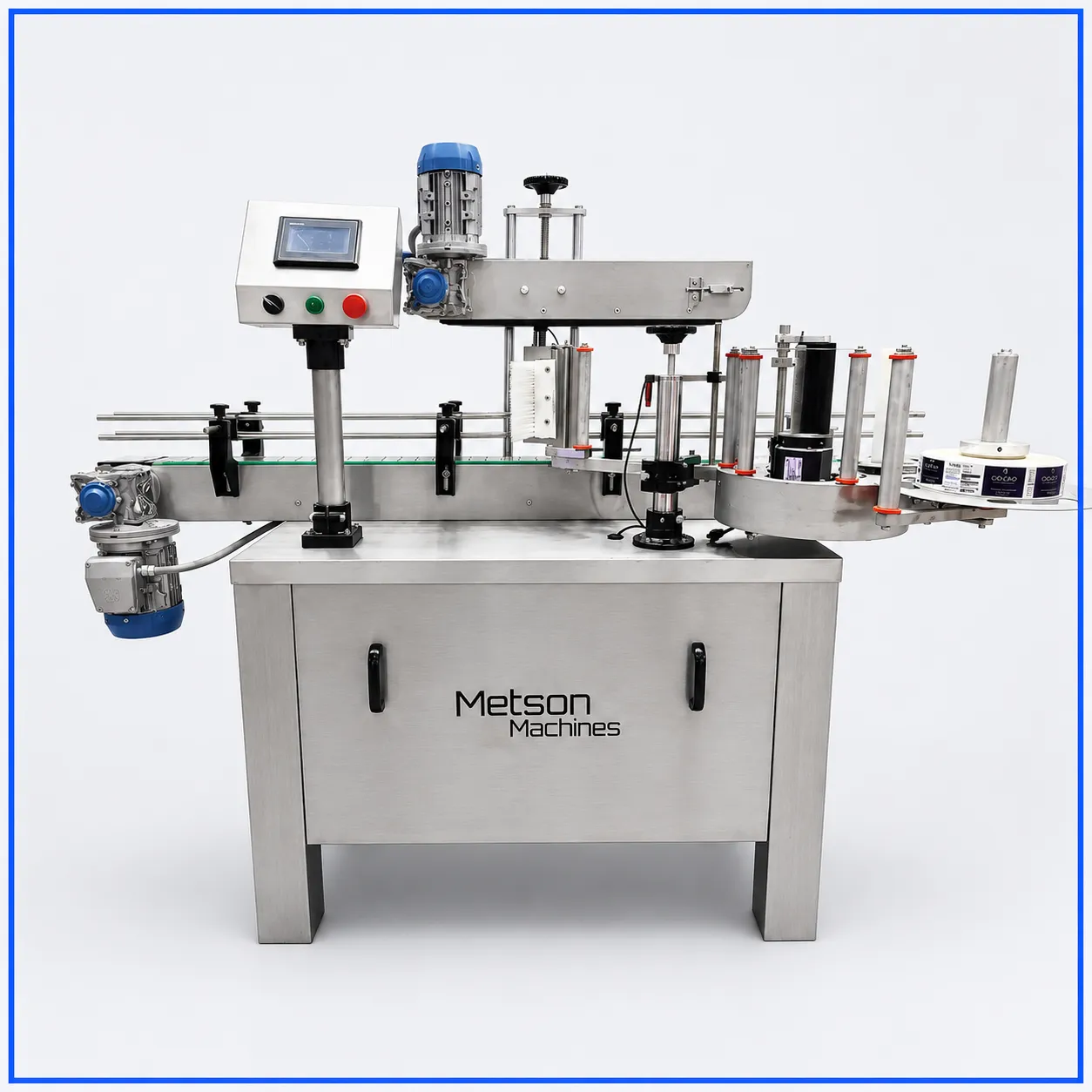
The label must separate cleanly from the backing liner before being applied to the product. Incorrect peel plate settings or poor label web tension can cause the label to stretch, wrinkle, or misalign during application.
Regular inspection of the dispensing mechanism helps maintain consistent label quality.
Incorrect Roller Pressure
The pressure roller or wipe-down mechanism ensures complete contact between the label adhesive and the product surface.
Insufficient pressure may leave trapped air beneath the label, while excessive pressure can distort thin label materials, leading to wrinkles or uneven application.
The pressure should be adjusted according to the product shape and label material.
Product Surface Contamination
Dust, oil, moisture, or product residue prevents the adhesive from making proper contact with the surface.
Products should be clean and dry before entering the labeling machine to ensure maximum adhesive performance.
Uneven or Curved Surfaces
Applying labels to curved, tapered, textured, or irregular surfaces requires specialized label designs and machine settings.
A standard label applied to an unsuitable surface may wrinkle or lift shortly after application.
Proper product handling and application pressure help improve adhesion on challenging surfaces.
Unsuitable Label Material
Not every label material is suitable for every application.
Thin films, paper labels, and synthetic materials behave differently during dispensing and application. Selecting an inappropriate material for the product or environment can result in poor appearance and reduced adhesion.
The label construction should match the product, storage conditions, and application method.
Incorrect Adhesive Selection
Adhesives are designed for specific surface materials and operating environments.
Factors such as plastic type, glass, metal, cardboard, moisture, refrigeration, heat, and outdoor exposure influence adhesive performance.
Using the wrong adhesive can cause labels to peel away even when the labeling machine is functioning correctly.
Improper Label Storage
Labels exposed to excessive heat, humidity, or direct sunlight may lose adhesive performance or dimensional stability.
Label rolls should be stored in a clean, dry environment and conditioned to the production area’s temperature before use.
Worn Machine Components
Wear on rollers, belts, peel plates, or dispensing mechanisms can reduce application accuracy.
Routine inspection and preventive maintenance help maintain consistent label placement and adhesion.
Incorrect Machine Calibration
Improper calibration of sensors, dispensing timing, conveyor synchronization, or product positioning can cause labels to be applied unevenly, resulting in wrinkles or partial adhesion.
Periodic machine calibration ensures consistent labeling performance across different product sizes and production speeds.
Environmental Conditions
Extreme temperatures and high humidity can affect both the adhesive and the labeling process.
Products labeled immediately after washing, filling, or cooling may not provide an ideal bonding surface. Allowing products to reach the appropriate temperature before labeling often improves adhesion.
How Metson Machines Helps
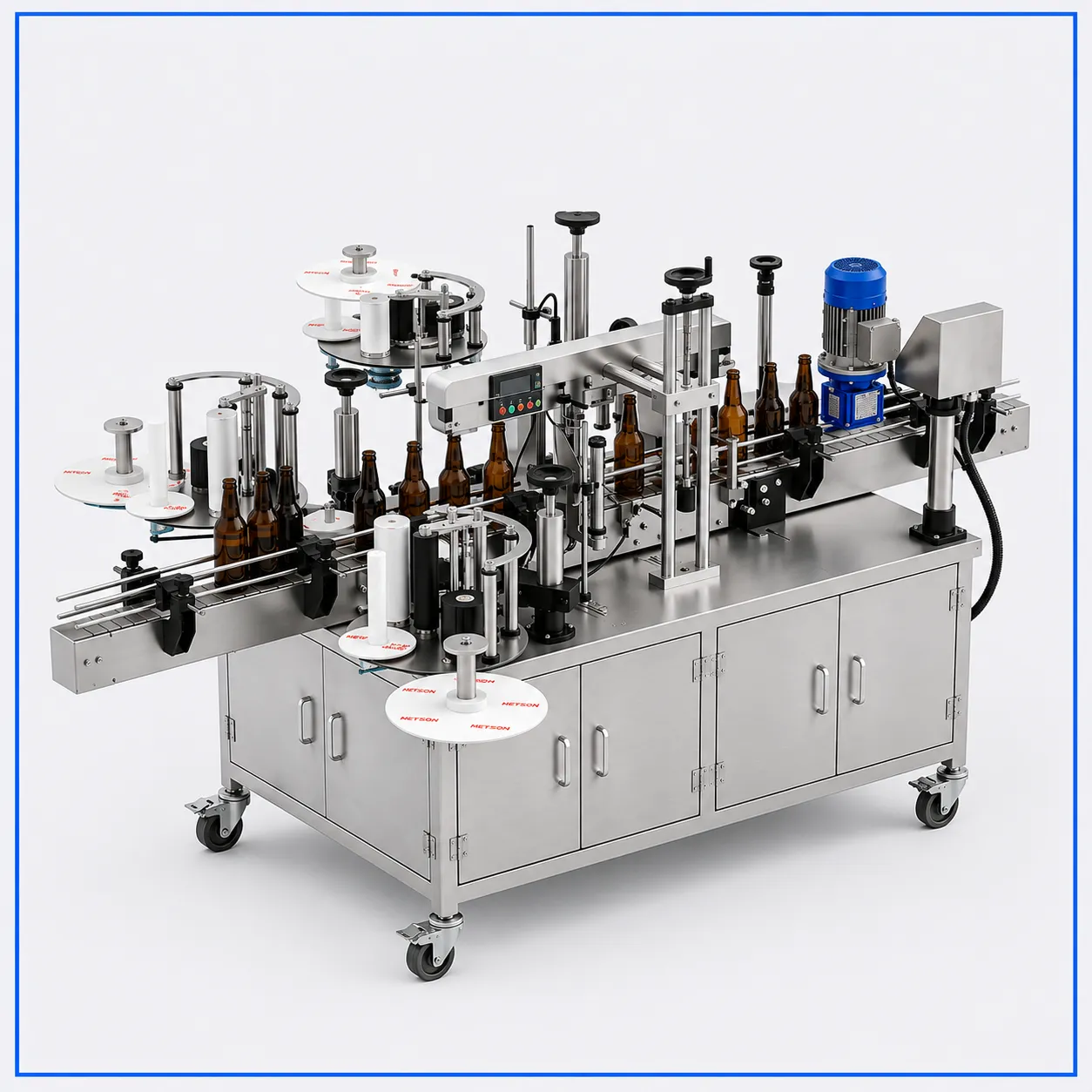
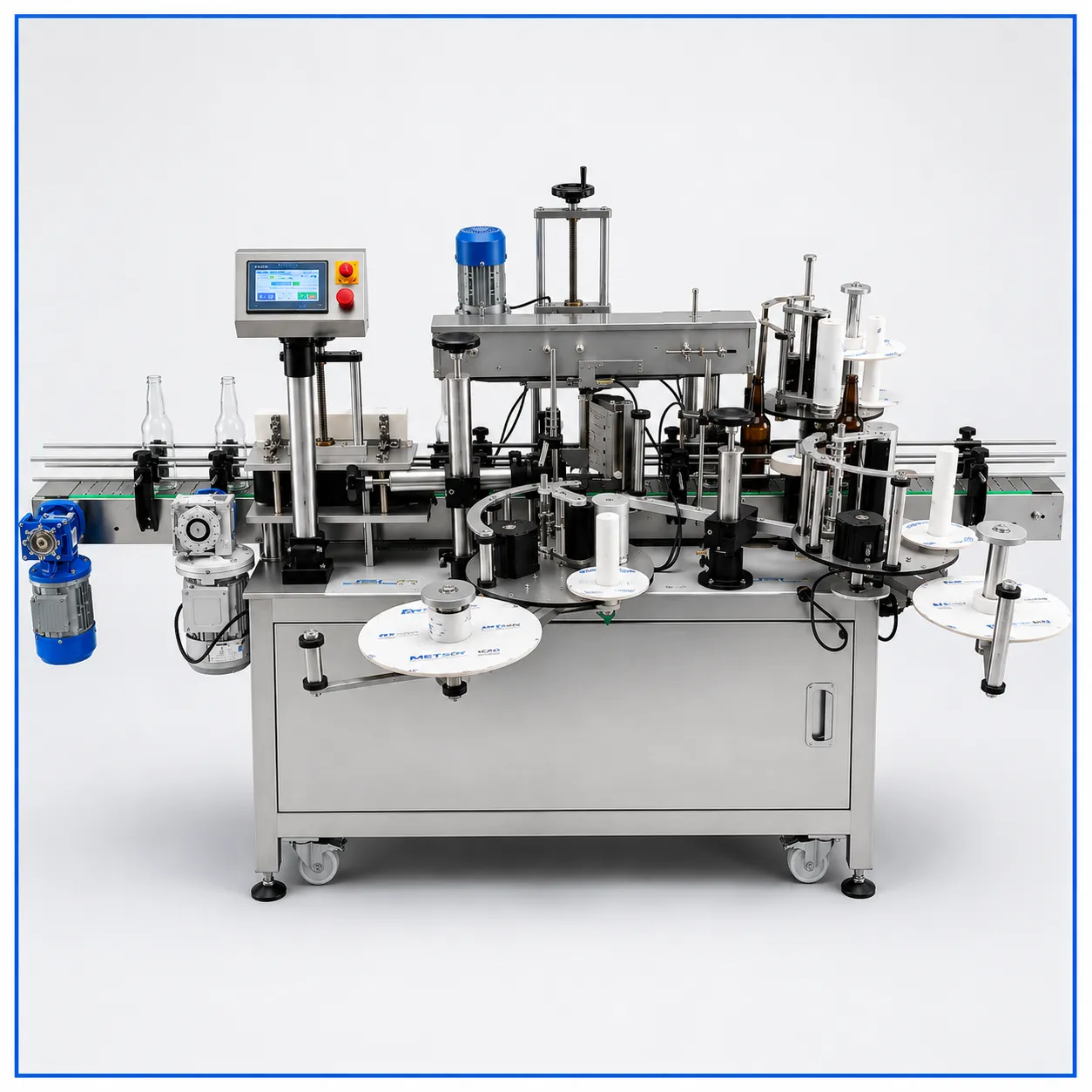
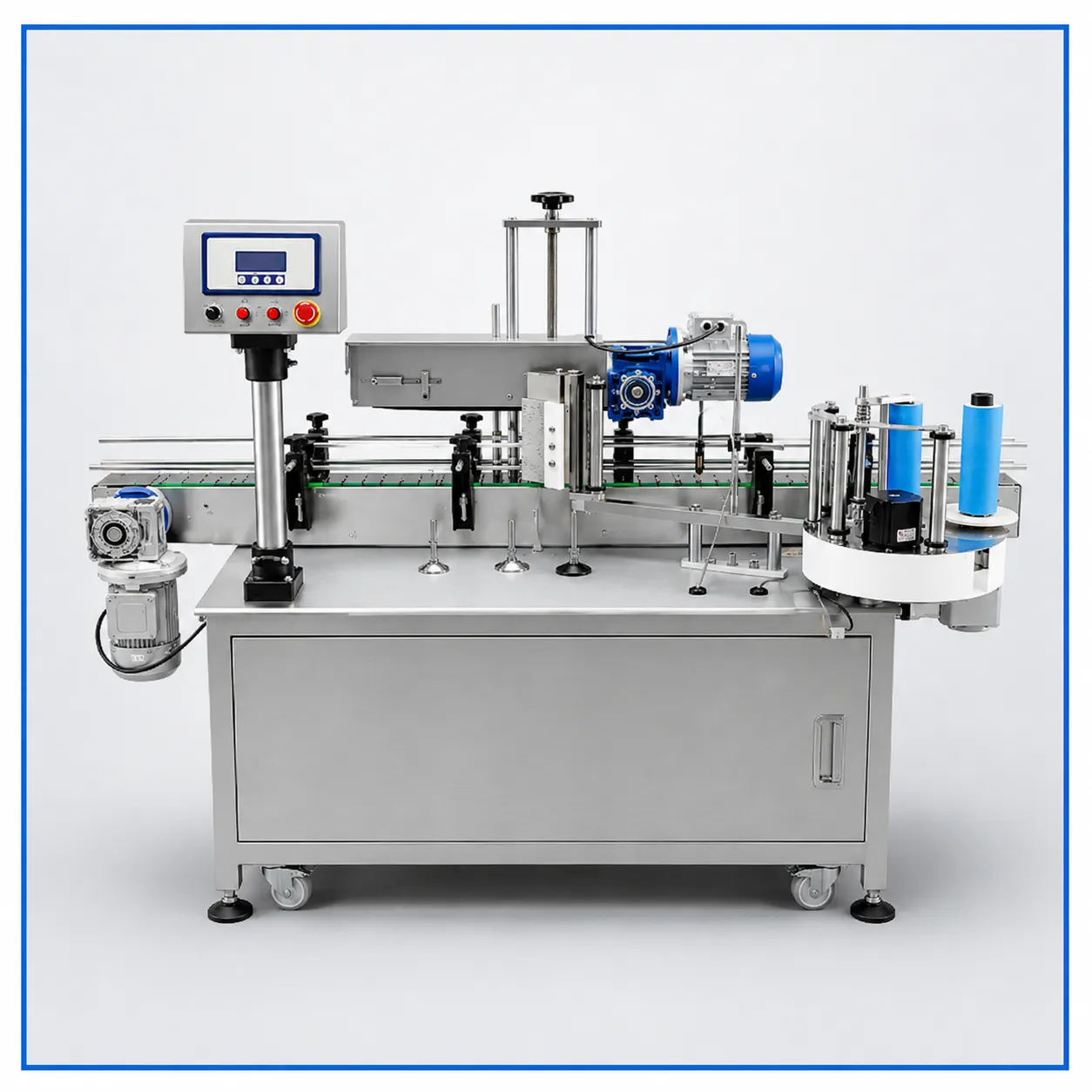
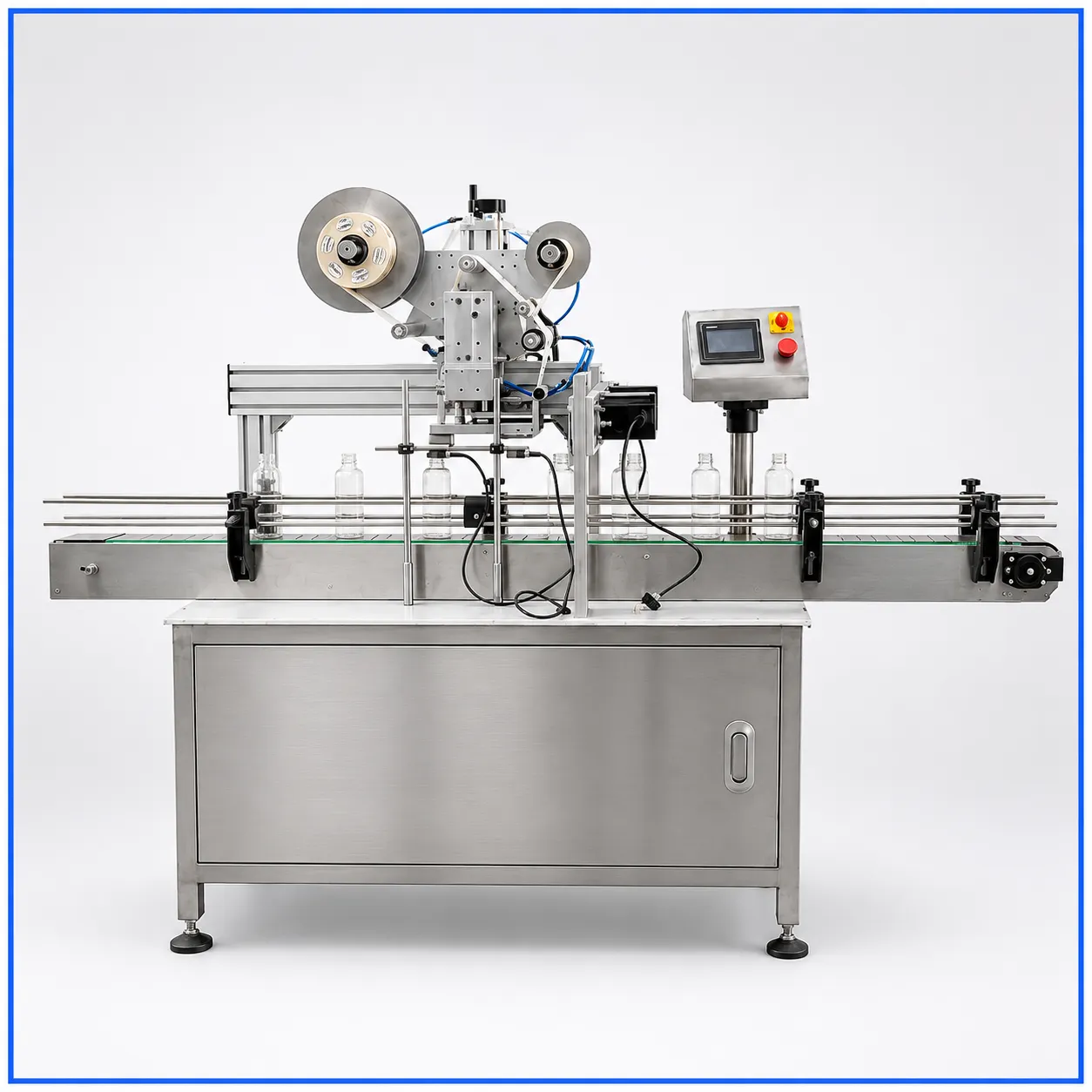
At Metson Machines, our sticker labeling machines are engineered to deliver precise label placement, consistent dispensing, and reliable performance across a wide range of products and packaging formats.
Beyond supplying machines, we help customers optimize label application by evaluating product characteristics, label materials, adhesive compatibility, and production conditions. Our team provides machine setup, commissioning, operator training, and technical support to ensure labels are applied accurately and remain securely bonded throughout the product’s lifecycle.
Experiencing label wrinkling or peeling on your production line? Contact Metson Machines for expert guidance or request a customized labeling solution designed for your application.